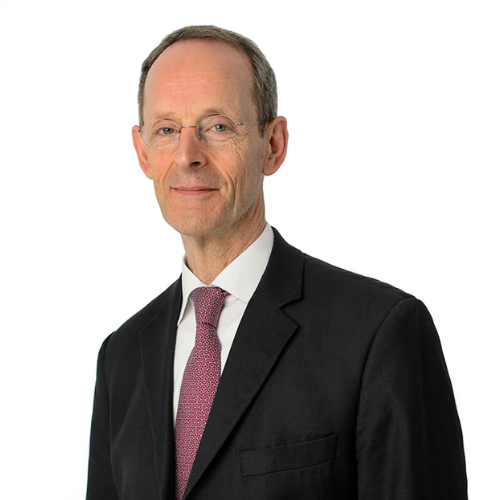
Q) Why would you say it's important for surgeons at every career stage to be part of the conversation that's happening at the Festival?
"I think what strikes me immediately is the diversity, the different ways of looking at the surgical world, is all important but this is a really very, very different event. So we're not looking at the narrow technical approach to how we do an operation, whether this operation is better than that operation or whether this device is better than that device.
But we're looking at ways to deliver surgery. We're looking at the extended surgical team, we're looking at the issues of waiting lists, which of course have become a very political issue, but also a very important healthcare issue. We're looking at how this appears to really important stakeholder groups in particular. Most important of all, of course we are looking at how the future will impact patients. We're looking at sustainability, that's sustainability of the workforce, not just the surgical workforce. The whole team that delivers surgical service.
We're looking at how accessible the process is to patients and to referring Doctors, GPs, and others. We're even looking at sustainability from the environmental perspective because of course, the National Health Service and other healthcare systems around the world are hugely, hugely important in terms of consumption of resources. We're looking at the really big challenges of technology development, regulatory challenges, costs. And we're looking at the delivery of surgical services in other environments, other parts of the world, parts of the world, which are actually less well funded than we are. We're looking at global surgery."
Q) Did the submissions tell you anything about where surgery and surgical research is heading next?
"The most obvious deduction is that surgical research is flourishing. And actually, that's really a statement about what's happening to healthcare research, which is that it's becoming very practical. And it will have a really big impact on what's happening to patients, these are new surgical technologies, new surgical techniques.
Surgical research is flourishing, and I think we knew that, but I think the Festival is reinforcing that very, very clear message that the role of surgeons in research is vital. The role of the Royal College of Surgeons of England is also vital and it's a very effective part of what the college does. And I think the Festival illustrates that extremely well."
Q) What did you enjoy or find eye-opening about the abstract review process?
"Well, I think abstract review is always difficult, particularly when one is reviewing abstracts from an event with such a wide remit and it's really important. But we've got to ensure that it's even-handed and that it doesn't favour abstracts coming from the technical areas which surgeons intrinsically enjoy, and that we give equal weighting to all the other aspects of surgical health and care delivery, which this conference represents and we'll focus on.
And I have to say, I've found the abstract review process completely fascinating because of just that because it was bringing to the fore things which I was aware of, that I knew nothing about or knew much less about, the diversity of interest demonstrates what a broad church surgical research is."
Q) From your perspective, what stood out about the research coming through for the Festival?
"I think the ingenuity of so many surgical researchers, particularly young surgical researchers, to identify questions that we really haven't thought of properly before and what was an interesting and wide-ranging set of topics we have seen. It is what we represent, and there's some really good abstracts coming through that I can’t wait to hear more about at the Festival."